
 fast-paced wuxia epics over the decades, but have you seen one done entirely with
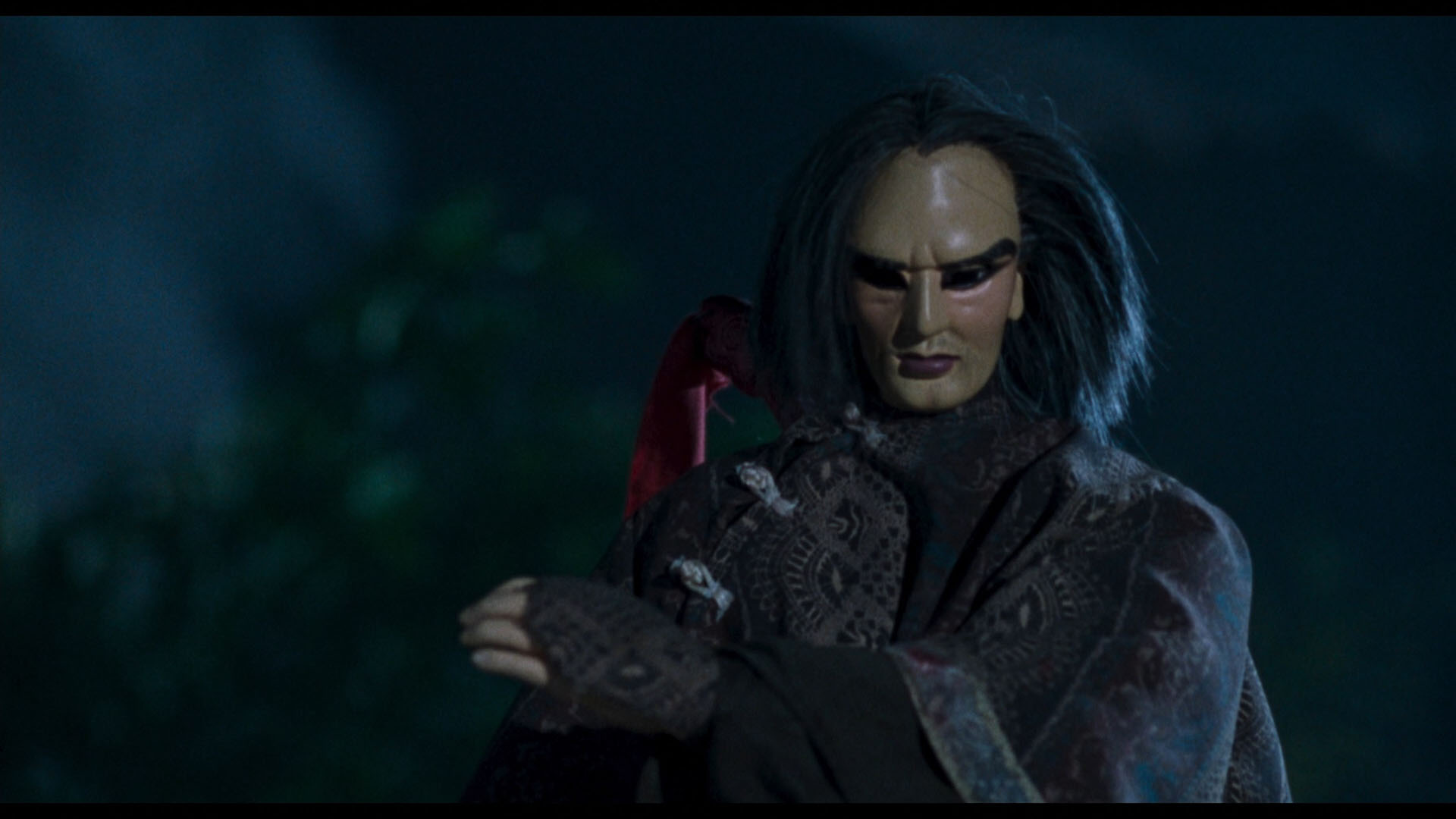
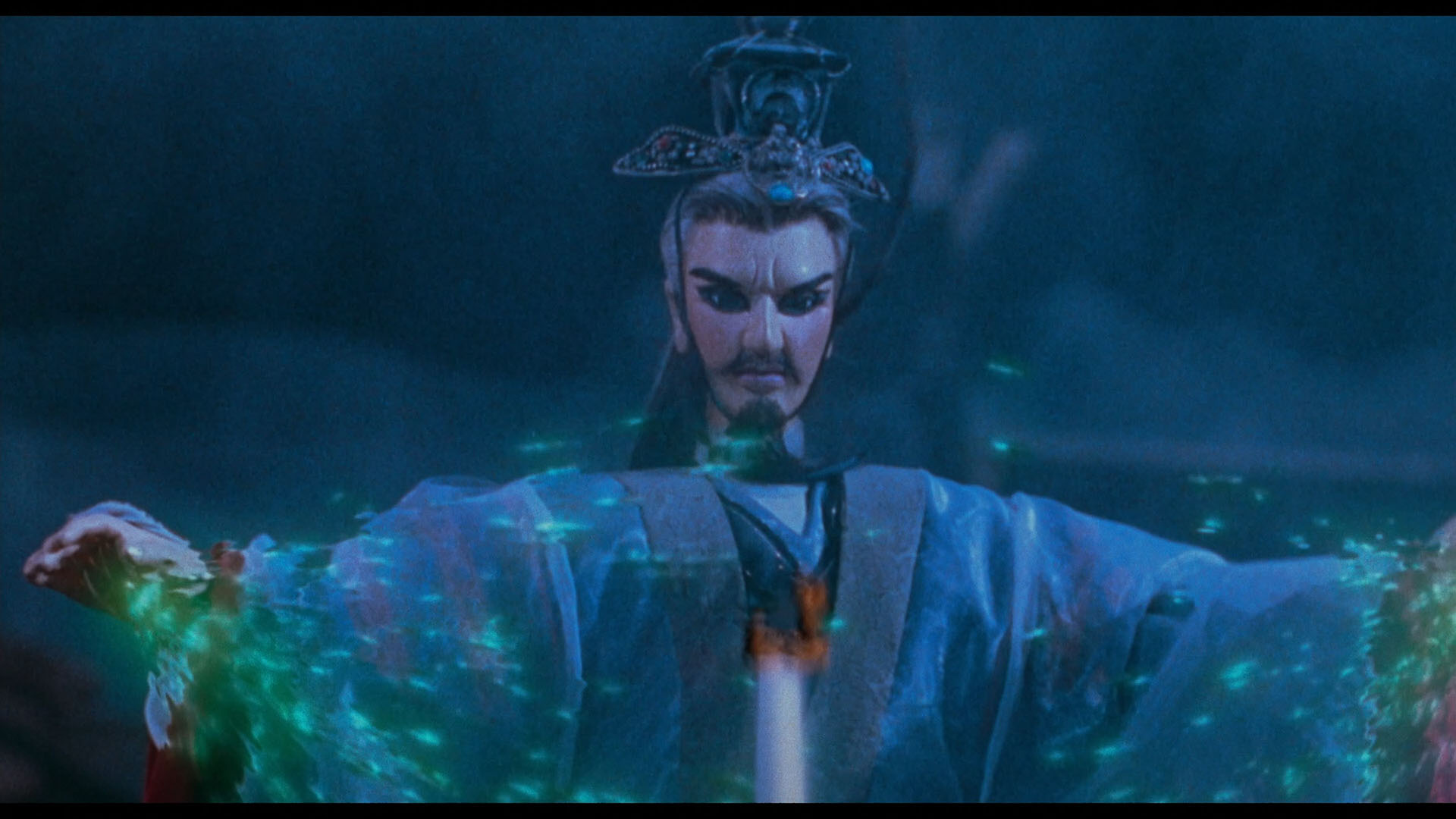
 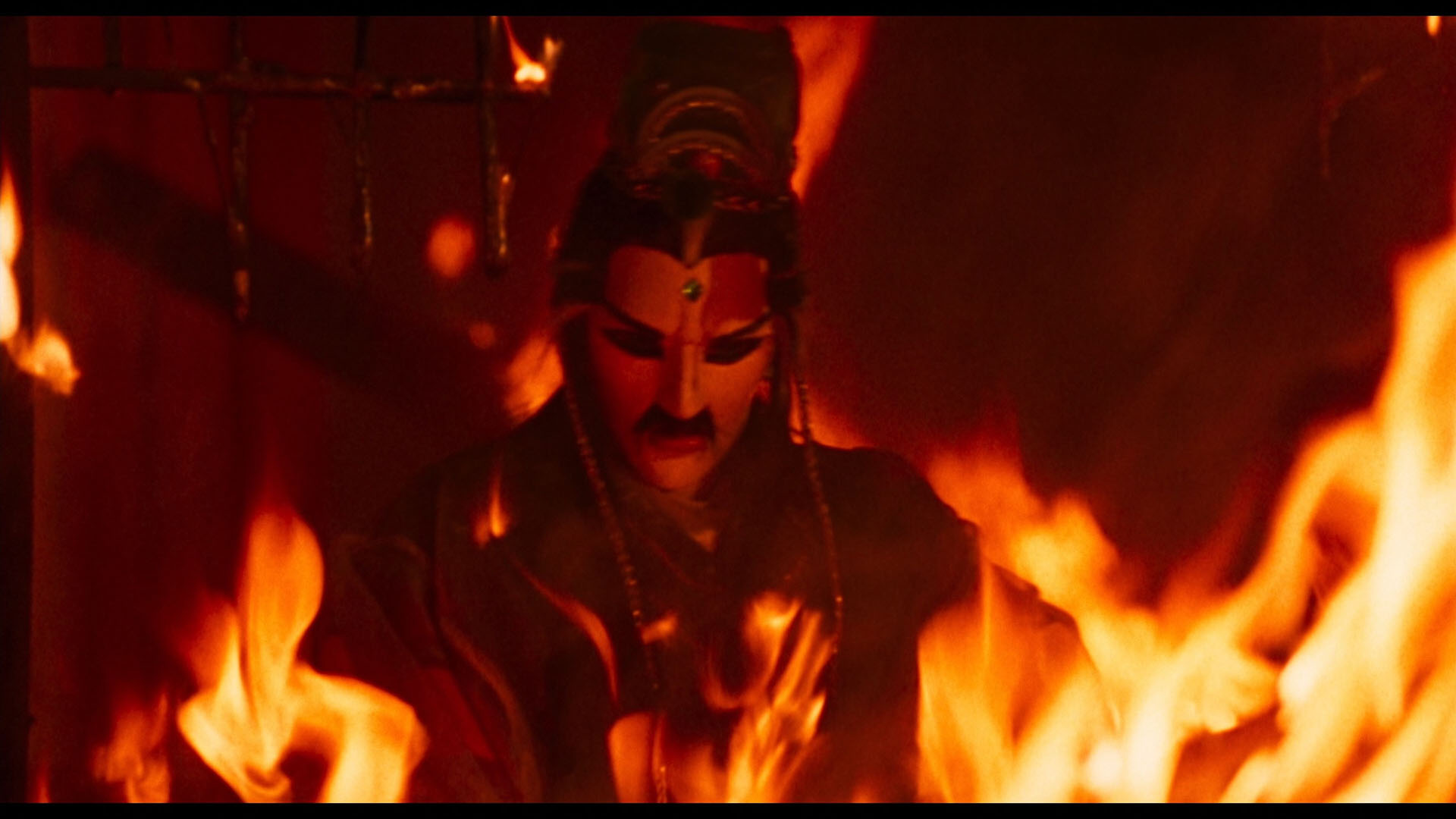 Taiwanese puppets? Mixing traditional hand puppets with flashy CGI effects, the homegrown TV show Pili begun in the mid-'80s led to the insanely fast-paced feature film Legend of the Sacred Stone, created around the same time as the groundbreaking Crouching Tiger, Hidden Dragon which won an Oscar for Taiwan, and a follow-up film, Demigod: The Legend Begins. As wild and frenetic as anything dreamed up by Tsui Hark, it's a unique experience that has understandably built up a cult reputation by word of mouth over the years.
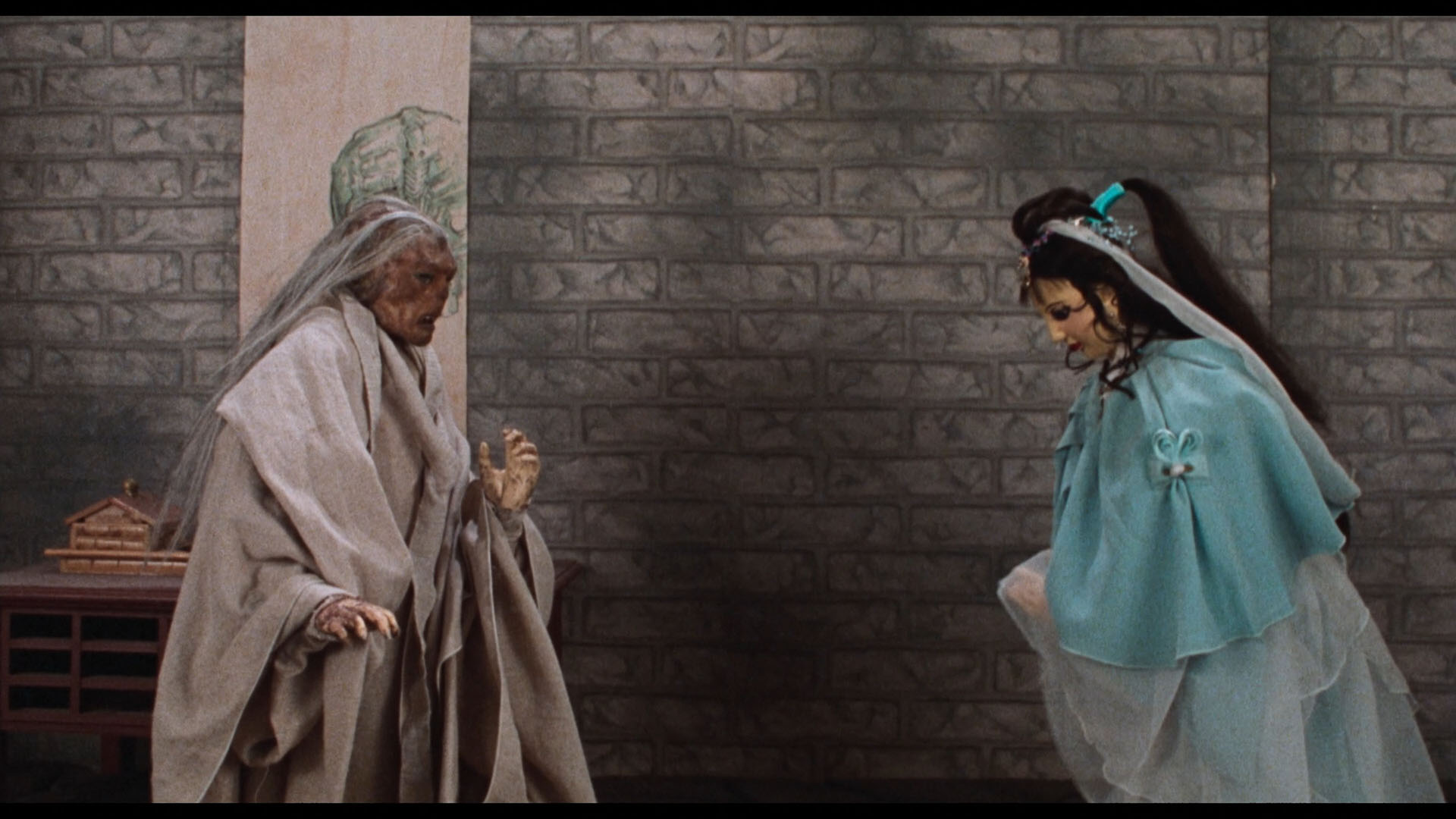
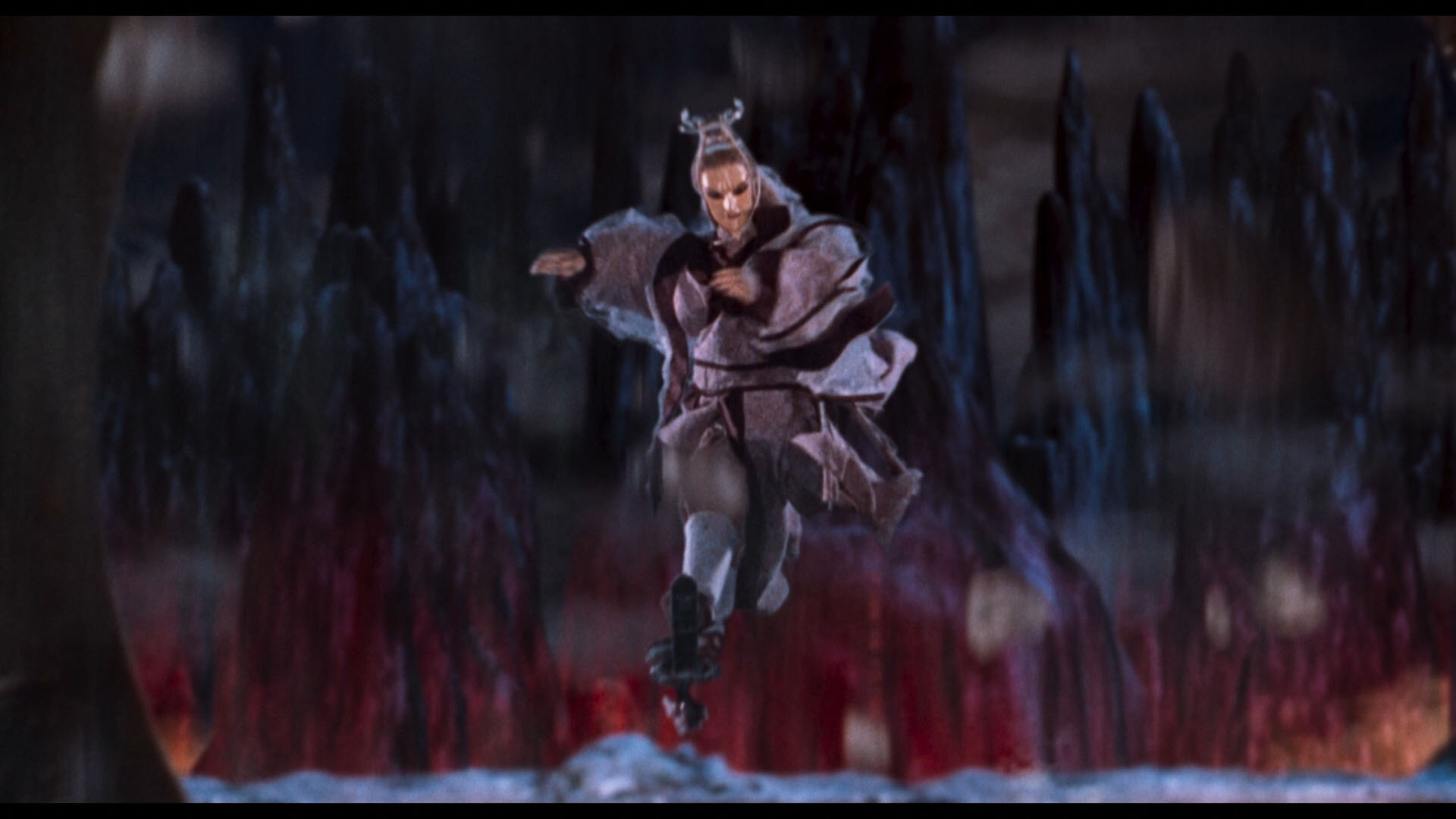 Lotus, leading the opposition and seeking revenge for his brother's murder. That's as close to a clear synopsis as you'll get here, with the bulk of the running time devoted to fighting and bleeding puppets, flashy light effects, multiple
 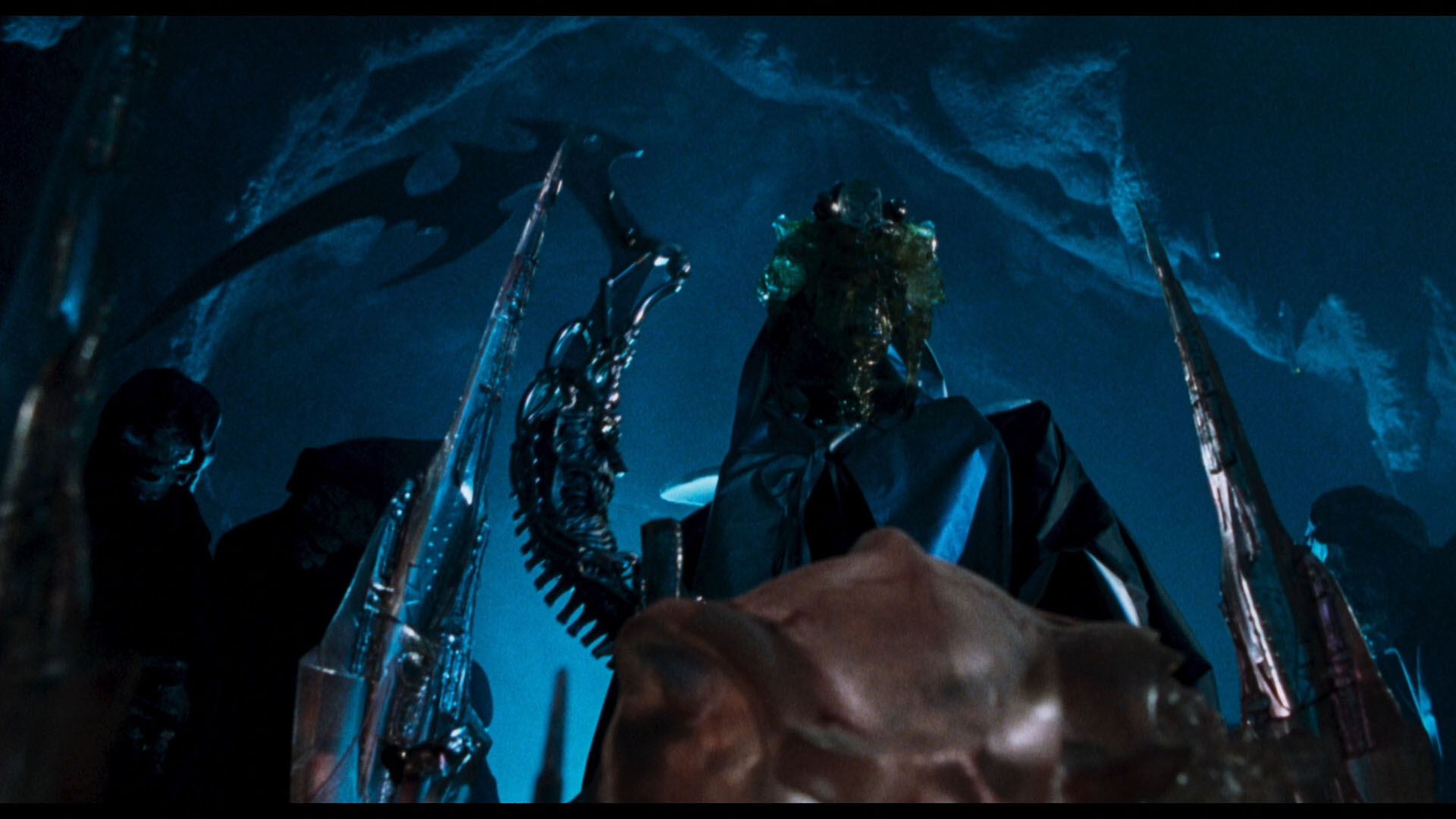 character switcheroos and hidden rivalries, and a hunt for the titular stone which fell from the heavens and can grant supernatural power.
 of the Sacred Stone: Budaixi Hits the Big Screen" about this film's place in the "hypermarionation" wave) and an untitled one by Walter Chaw about the cinematic nature of puppets and their unique employment here within the traditions of Taiwanese performing arts. Image quality is excellent as you'd expect, with a boisterous DTS-HD MA 2.0 Taiwanese stereo
  track with optional English subtitles. A new commentary by puppeteer/filmmaker Ben Wolf Page of The Puppetry Journal for the Puppeteers of America is a welcome deep dive into the techniques employed in the film and the history behind Taiwanese puppetry and the programming that led to this film, as well as the other narrative influences you can find here. The visual essay "Puppets, Wuxia, and Spirituality: The Lore and Inspirations Behind Legend of the Sacred Stone" (17m2s) by Evan Chester goes into the etymology of the wuxia, its centuries of narrative tradition, and legendary characters and story tropes that evolved into what we have here today. A "Character Spotlight": Su Huan-Jen" is a great collection of clips spanning from 1987 to 2024 showing the character's depictions on Pili TV, ranging from video production to high-end effects showcases. A new interview with director Chris Huang and two members of the puppeteering team, via videoconference with Deaf Crocodile's Dennis Bartok (41m47s) about the company's name (which means "thunderbolt"), the challenges and rewards of puppeteering, the particular obstacles of creating landscapes for this film to look like real locations, and the decades of output that have become their signature. Two trailers are also included, plus a 44s look at the deluxe edition artwork creation and bonus trailers for The Pied Piper, Jiri Barta Shorts, Hoffmaniada, Song of the Miraculous Hind, and Dead Mountaineer's Hotel.